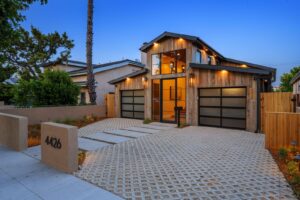

Let’s be honest—custom home building is exciting. You’re not just buying a house; you’re creating a space designed just for you. But before you break ground or start sketching floor plans, there’s one major decision that can make or break your dream home: the land itself.
Choosing the right plot is the foundation (literally) of a successful build. In Thousand Oaks, that means navigating zoning laws, evaluating terrain, and balancing views with practicality. Luckily, at 1 Degree Construction, we’ve helped countless homeowners do just that—and today, we’re spilling all our top tips to help you pick the perfect piece of paradise.
Why the Right Lot Matters in Custom Home Building
You might fall in love with a house design or a gorgeous view, but if the land doesn’t support your vision—or drains your budget with hidden issues—it can turn your dream home into a construction nightmare.
In Thousand Oaks, where rolling hills, canyon lots, and suburban streets each offer their own pros and cons, taking a strategic approach to buying land in Thousand Oaks is essential.
Step 1: Understand Zoning Laws in Thousand Oaks
Every city has its own zoning code, and zoning laws in Thousand Oaks are particularly important when you’re building from scratch. These laws determine:
- What kind of structures can be built (residential, commercial, mixed-use)
- How tall your home can be
- How far it must be set back from the street and neighboring lots
- Whether ADUs or guest houses are permitted
- Noise, parking, and environmental restrictions
Pro tip: Even if a lot is listed as “buildable,” check the zoning map and regulations before making an offer. A build-ready lot is only truly ready if it aligns with your goals.
Step 2: Look Beyond the Surface—Land Grading Tips & Soil Testing
It might look like a picture-perfect piece of land, but don’t be fooled—what’s under the surface matters just as much. Here’s what to consider when evaluating the land itself:
Land Grading Tips
A sloped lot can offer stunning views, but it often requires:
- Retaining walls
- Elevated foundations
- Drainage management
- Driveway leveling
All of these affect your budget and your timeline. Flat lots are typically easier and less expensive to build on, but in Thousand Oaks, those can be hard to come by.
Soil Testing
Before committing to a purchase, invest in professional soil testing. It reveals the stability and drainage capability of the land—two things that directly impact foundation safety.
Clay-heavy soil? You may need pier foundations. Sandy soil? You might need extra reinforcement. Either way, knowledge is power.
Step 3: Check for Utilities Access Early
So, the view is amazing, and the soil’s good. But what about electricity, gas, and water?
Utilities access can be a significant factor when evaluating a plot. Some parcels are already connected to city utilities, while others may require:
- Running water lines or digging a well
- Power pole extension or solar system planning
These extras can quickly add thousands of dollars to your project—so check now, not later.
Step 4: Lot Orientation—Sun, Wind & Layout Potential

Lot orientation affects your home’s comfort, energy efficiency, and layout. In Thousand Oaks, where sunny days are plentiful, smart orientation can keep your home cool in summer and bright in winter.
Tips for optimal orientation:
- South-facing lots often get consistent daylight—perfect for solar gain and natural light
- Position living spaces to take advantage of the morning sun and avoid afternoon heat
- Use wind and sun exposure patterns to place patios, windows, and shade structures
This also helps with privacy, curb appeal, and that unbeatable California indoor-outdoor vibe.
Step 5: Be Aware of Building Setbacks and Lot Shape
Every property comes with required building setbacks—minimum distances between your home and the lot’s boundaries. These vary based on zoning and lot type.
Also, pay close attention to:
- Irregularly shaped lots (which can limit layout options)
- Narrow lots with wide setbacks (which reduce usable space)
- Hillside or canyon lots with slope restrictions
The dream home you’ve designed might need adjustments depending on how much of the lot you’re actually allowed to build on.
Step 6: Don’t Forget Septic and Sewer Access
Depending on the location of your land, sewer lines might not be available—and that means it’s time to talk septic.
Ask your builder or land agent:
- Is the lot approved for septic?
- Has percolation testing been done?
- Are there any nearby septic and sewer access points?
This part isn’t glamorous, but it’s critical for your home’s functionality—and your future resale value.
Step 7: Prioritize Views and Privacy—but Be Realistic
Let’s be honest—views and privacy are huge selling points in Thousand Oaks. That canyon overlook or tree-lined ridge might be calling your name. But remember:
- Building higher for views may require more grading or special permits
- Privacy comes with trade-offs in access, light, or setback requirements
- Landscaping can sometimes offer just as much screening as distance
Balance dream factors with buildability and long-term comfort.
Step 8: Factor in Driveway Placement and Accessibility
Don’t overlook how you’ll get to your home every day. Driveway placement affects convenience, safety, and even cost.
On hillside lots, longer or winding driveways may require grading, retaining walls, or special drainage. Cul-de-sac lots might limit the turning radius. Consider:
- Vehicle access in all seasons
- Guest parking options
- Garage orientation and slope
- Connection to city roads or private easements
Pro tip: Walk or drive the lot as if you live there. It’s a great way to evaluate daily logistics.
Step 9: Assess Neighborhood Compatibility
Finally, consider neighborhood compatibility. You want your custom home to fit you, but it should also blend (even loosely) with the character of the area.
Ask yourself:
- Is the area filled with other custom homes—or mostly tract homes?
- Are there HOA restrictions?
- Will your design feel too modern or too small compared to surrounding houses?
- What are noise levels, traffic, and school zones like?
It’s not just about what you build—it’s also about where you build it.
Step 10: Watch Out for Red Flags Like Flood Zones and Fire Risk
Last but not least, make sure your lot is safe. Thousand Oaks has areas near creeks, hillsides, and canyons that might be in flood zones or wildfire zones.
Before buying, check:
- FEMA flood maps
- Wildfire risk ratings
- Local insurance requirements
- Emergency access routes
It’s worth knowing now, not later—especially if these risks affect permits, insurance, or even resale.
Call the Thousand Oaks Custom Home Experts

When it comes to custom home building, land selection isn’t just about location—it’s about long-term success. At 1 Degree Construction, we specialize in guiding Thousand Oaks homeowners through the entire process—from finding the right build-ready lot to building a home that fits your lifestyle and landscape.
Ready to start your dream home the smart way? Let’s walk the land, review the surveys, and design something truly exceptional—together.
FAQ: Land Buying & Lot Selection for Custom Homes
Should you buy land first or hire a builder first?
It depends on your experience. If you’re new to custom home building, it’s wise to involve a builder early—before you purchase the land. A knowledgeable contractor can help assess the lot’s potential, flag red flags, and even recommend engineers or architects. This avoids costly surprises and ensures your dream home actually fits the property.
Can you build a prefab or modular home on a custom lot in Thousand Oaks?
In many cases, yes—but you must check local zoning regulations and HOA rules first. Some areas restrict modular or prefab construction, while others welcome it. You’ll still need permits, a foundation, and access to utilities, so the process isn’t “plug and play”—but it can be a great option if done correctly.
🔗 Ready to Start Building? Let’s Talk Smart Features Next
Now that you know how to choose the perfect piece of land, it’s time to think about what goes inside your future home. Check out our next article: Custom Home Building in Brentwood: Must-Have Smart Features for Modern Living, to explore the top tech upgrades, automation essentials, and energy-efficient systems every modern custom home should have.