Building an ADU in Los Angeles is already a smart move. It’s great for extra income, aging parents, or even just maximizing your property’s value. But if your lot sits on a hillside—or even a steep incline—things can get tricky fast. Can it be done? Absolutely. Should you just wing it? Definitely not.
At 1 Degree Construction, we specialize in turning challenging lots into creative living spaces. Whether you’ve got a slope that could double as a ski hill or a subtle grade that barely qualifies, this guide will walk you through everything you need to know about building a hillside ADU in LA.
Why Hillside ADUs Are Different From Flat-Lot Builds
Let’s start with the basics. When you build on a slope, gravity isn’t your only concern—it’s about structural integrity, soil stability, and satisfying LA’s complicated slope zoning regulations.
Hillside projects require:
- Advanced engineering
- Soil analysis
- Retaining wall systems
- Slope-specific permit approvals
Even simple builds demand careful planning, especially if you’re adding an ADU, where access and drainage are a challenge.
What Is Slope Zoning in LA—and Why It Matters
Los Angeles uses something called slope zoning to categorize properties based on steepness. This impacts everything from your building footprint to your max square footage.
Typical slope zones include:
- <15%: Minimal restrictions
- 15–29.9%: Moderate restrictions
- 30%+: High restrictions and potentially disqualifying grades
Your hillside ADU project will be reviewed based on the steepest portions of your lot, not just where the unit sits.
What’s Required: ADU Soil Test and Geotechnical Report
You can’t just eyeball a slope and start building. Most ADU projects on a hill require a geotechnical investigation (aka ADU soil test).
This includes:
- Soil type analysis
- Compaction levels
- Landslide risk evaluation
- Water runoff behavior
These findings determine whether your slope foundations need reinforcements like piers or caissons—and influence how you approach drainage.
Engineering Hillside Walls and Retaining Systems
Unless you’re building on a unicorn-flat hillside, you’ll need retaining walls to stabilize earth and protect the structure.
Typical systems include:
- Gravity walls (stacked stone or concrete)
- Cantilevered retaining walls
- Anchored walls for steep conditions
These not only support the ADU—they also prevent erosion, manage stormwater, and avoid boundary issues with neighbors.
Designing for Access: Hillside Entry Challenges
You might have a beautiful design, but if your tenants can’t reach the door safely, it’s a failure. Hillside access is one of the biggest challenges for slope-built ADUs.
Smart solutions include:
- Switchback paths
- Terraced stairs with landings
- Vehicle access pads
ADA compliance may also apply if the ADU is intended for aging-in-place or accessible use.
Drainage Matters—More Than You Think
Water and hills don’t mix well unless you manage them precisely. Improper drainage can undermine foundations, damage neighboring properties, or trigger city violations.
A solid plan includes:
- Slope direction analysis
- French drains or perforated pipe systems
- Drainage walls or soil berms
LA’s hill zone code requires detailed drainage plans in most hillside developments.
Maximize Views Without Breaking the Rules
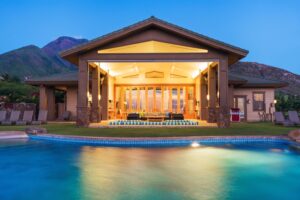
Let’s be honest—one major perk of a hillside ADU in Los Angeles is the view. But height restrictions still apply.
To play it safe:
- Stay within height limits (usually 16 ft for detached ADUs)
- Angle windows for privacy
- Use landscaping for screening
Creative design can capture scenery without sparking complaints—or appeals.
Timeline Expectations for Slope-Building
Hillside ADUs take longer to plan and permit than their flat-lot cousins. Expect:
- 3–6 weeks for soil testing and engineering
- 4–8 weeks for LADBS approval
- 6–12 months for full build-out
Add extra time for city reviews, weather setbacks, and plan revisions. It’s worth the wait.
🛠️ Let’s Make Your Hillside Work for You
At 1 Degree Construction, we thrive on slope-side challenges. Our team knows the permits, the policies, and the workarounds to build safe, stylish ADUs—no matter how hilly the view.
From foundation engineering to city inspection, we handle every angle, so you don’t have to.
Let’s talk about your hillside ADU. Book a consultation today and turn that incline into income.
❓ FAQ: Hillside ADUs in Los Angeles
Can a pre-fab ADU be installed on a hillside?
It depends on the slope and the manufacturer. Some pre-fab ADUs are designed for flat foundations and aren’t easily adaptable to uneven terrain. Others offer models with adjustable pier systems or can be craned into position. A geotechnical assessment will determine feasibility.
Will you need a variance to build on a hillside?
Possibly. If your design exceeds slope restrictions, height limits, or setback rules, you may need a zoning variance. This involves community notices and public hearings, so it’s essential to plan ahead and work with a professional who knows the process.
Can a hillside ADU be built in a high-fire zone?
Yes, but with extra precautions. You’ll need fire-resistant materials, defensible space around the structure, and possibly additional permits. LA’s Fire Department will also review the plans. It’s doable but definitely more complex.
🔗 Next Up: The Most Common Mistakes Homeowners Make When Building an ADU Los Angeles
Before you finalize those plans, don’t miss our next blog—“The Most Common Mistakes Homeowners Make When Building an ADU in Los Angeles.” Learn what to avoid so your build stays smooth from start to finish.